Frequently asked questions.
Frequently asked questions.
Got Questions ? We’ve Got Answers ! Bookmark this page for future reference and watch for updates.
Instrument bookings can be made through the online booking portal available on the CRF website.
Yes, researchers from universities, research institutes/laboratory, government organizations, and industries can access CRF facilities on a chargeable basis.
CRF facilities are accessible to KIIT faculty, researchers, students, as well as external academic, research Laboratory and industrial users.
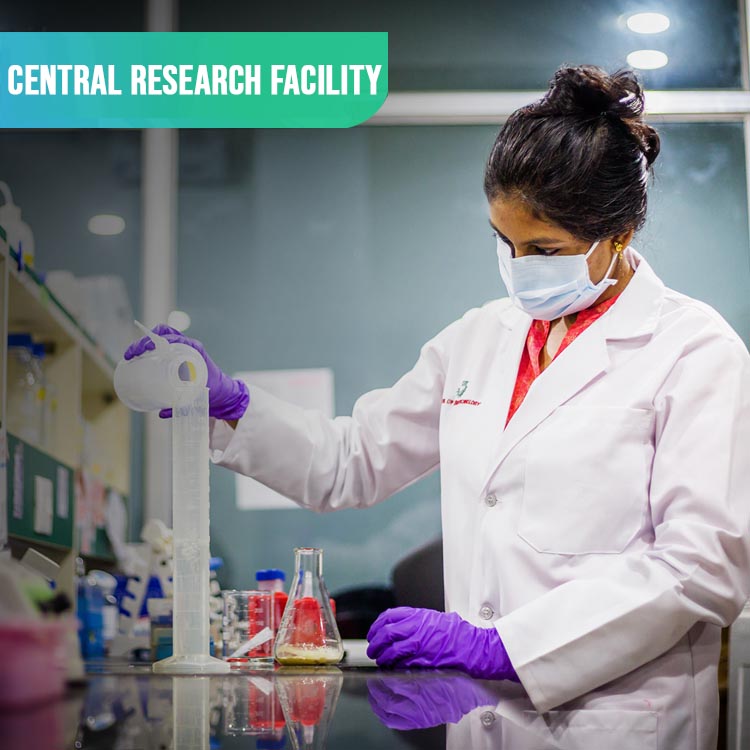
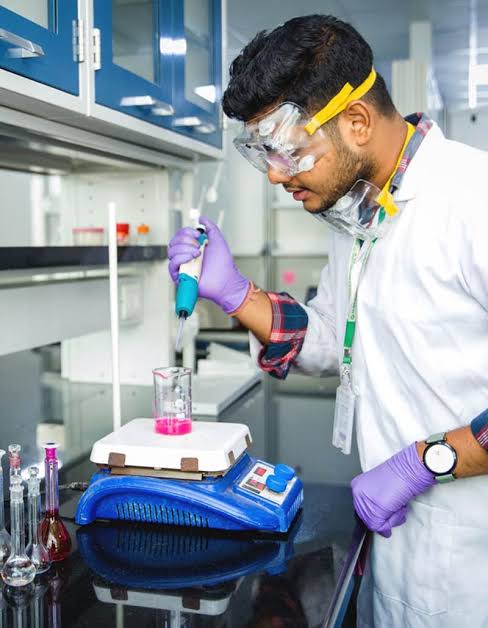
CRF offers advanced analytical, characterization, imaging, testing, and fabrication facilities to support multidisciplinary research and innovation. Currently we have 14 advanced instrumental facilities. For more details, please visit our CRF websites
Frequently asked questions.
Bills are generated 7 days after the completion of the requested analysis, following verification of the service details by the CRF staff.
Yes, separate charge structures are applicable for internal and external users. Detailed information on instrument usage charges is available on the CRF website.
Charges are based on instrument type, usage duration, consumables, and service requirements.
No, Analyses are conducted by CRF Technical Assistants.
CRF operates during regular working hours (9.00 AM- 6.00 PM) on all working days of Monday to Sunday.
Sample composition, quantity, preparation method, safety information, analysis requirements, and contact details should be provided during submission.
Frequently asked questions.
A feedback box has been placed on the ground floor of the Central Research Facility (CRF). Users are encouraged to submit their complaints, suggestions, or feedback directly by dropping them into the box. Alternatively, they may send their concerns or feedback via email to the Dean, CRF.
Yes. CRF regularly organizes training programs, workshops, and hands-on sessions for both internal and external users.
Experimental data are archived for a minimum period of five (5) years from the date of data acquisition, in accordance with the standard data retention policy. After this period, the data may be removed or archived further based on institutional requirements and available storage capacity.
Data is generally provided electronically through CD drive.
Users can track the status through the booking portal.
The turnaround time depends on sample type, analysis complexity, and instrument availability.